How to Find the Best Spatzle with Cheese Near Me: A Complete Guide to Käsespätzle
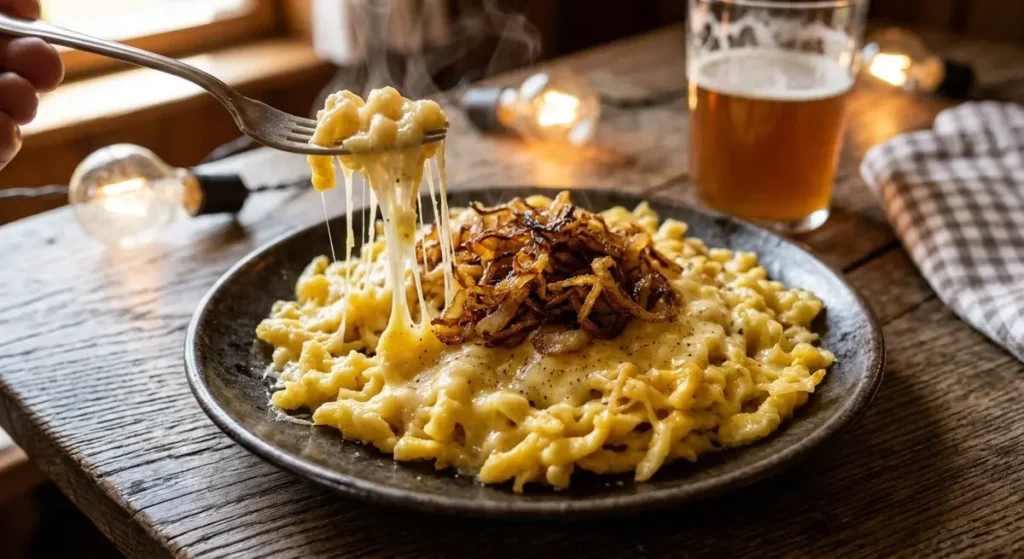
TL;DR: Craving the best spatzle with cheese near me? This guide explains what makes great Käsespätzle, where to find it, how to judge quality, and the key differences between German, Austrian, and Swiss styles — so your next plate is everything you hoped for.
You’re craving something warm, cheesy, and impossibly comforting. Maybe you had it once at a dimly lit German beer hall, or maybe a photo of golden, bubbling noodles just stopped your scroll. Either way, you’ve typed “best spatzle with cheese near me” into your phone and now you’re wondering where to actually start looking.
The good news? Käsespätzle — the iconic southern German cheese noodle dish — is popping up on more menus than ever, well beyond traditional German restaurants. This guide will walk you through what to look for, how to spot the real deal, and the smartest ways to track down a plate worth savoring in your area.
Quick Overview
- Käsespätzle is a Swabian dish of soft egg noodles layered with melted cheese and crispy fried onions
- Look for it at German, Austrian, and Swiss restaurants, beer gardens, and Alpine-themed eateries
- The best versions use freshly scraped spätzle, never dried or pre-made noodles
- Emmental, Gruyère, and Bergkäse are the most traditional cheese choices
- A great plate balances rich cheese, tender noodles, and a crunchy onion topping
- It’s often served as a main course, not a side dish
What Exactly Is Cheese Spätzle?
Let’s start with the basics, because this dish deserves more recognition than it gets. Spätzle are small, soft egg noodles that originated in the Swabia region of southern Germany. They’re made from a simple dough of flour, eggs, salt, and a splash of water or sparkling water, then pressed or scraped directly into boiling water.
When you turn those tender noodles into Käsespätzle, you layer them with generous amounts of melted cheese — traditionally a sharp Alpine variety — and top the whole thing with a pile of deeply caramelized onions. Think of it as the German answer to mac and cheese, but with a more complex texture and a nuttier, richer flavor profile.
The cheese matters enormously. According to the Harvard T.H. Chan School of Public Health, aged cheeses like Emmental and Gruyère are not only rich in calcium and protein but also develop deeper, more complex flavors during the aging process — which is exactly why they work so beautifully melted over fresh noodles.
The Swabian Origins of Käsespätzle
Käsespätzle isn’t just comfort food. It’s a dish with serious regional pride behind it. It comes from Swabia, a cultural area that spans parts of modern-day Baden-Württemberg and Bavaria in southwestern Germany. For centuries, spätzle was a staple of the Swabian peasant diet because the ingredients — flour, eggs, and water — were cheap and always available.
The cheese version likely emerged as a way to make the dish more filling during long winters. Farmers and laborers needed calorie-dense meals, and layering noodles with whatever local cheese they had on hand was a practical solution. Over time, what started as humble survival food became a beloved regional icon.
Today, Swabians take their spätzle very seriously. There are actual debates about the correct dough consistency, the proper scraping technique, and which cheese is the only acceptable choice. If you ever visit Stuttgart or the surrounding countryside, you’ll find that nearly every traditional Gasthaus has its own version, and locals will happily tell you which one is the best.
What Makes a Great Plate of Cheese Spätzle?
Not all Käsespätzle are created equal. If you’re hunting for the best spatzle with cheese near me, you’ll want to know what separates a memorable plate from a forgettable one. Here are the five qualities to look for:
- Freshly made noodles. The spätzle should be soft, slightly irregular in shape, and have a delicate chew. If the noodles look perfectly uniform or taste starchy, they were likely made from a dried mix.
- Real melted cheese, not a sauce. The cheese should be layered between the noodles and melted until it’s stringy and golden in spots. A smooth, pourable cheese sauce is a red flag — that’s not how the dish is traditionally prepared.
- Crispy fried onions on top. The onions should be deeply browned, almost dark amber, with a satisfying crunch. Pale, limp onions suggest they were rushed or added as an afterthought.
- A balance of richness and salt. The dish is inherently heavy, but the best versions have enough salt and sharpness from the cheese to keep every bite interesting. Bland Käsespätzle is a missed opportunity.
- Served hot and immediate. This is not a dish that holds well. The cheese should still be bubbling when it hits your table, and the noodles should be steaming.
How to Search for Spätzle Restaurants in Your Area
So how do you actually find a restaurant near you that serves this dish well? A few targeted strategies will save you time and disappointment.
Start with German and Austrian restaurants. This is the most obvious path, but it’s worth being specific. Search for “German restaurant,” “Bavarian beer hall,” or “Austrian Gasthaus” in your city, then check their menus online for Käsespätzle or “cheese spätzle.” Many German restaurants list it under “Hauptspeisen” (main courses).
Look at Alpine and Swiss-themed spots. Swiss restaurants often serve a version called Älplermagronen, which is closely related. If you have a fondue restaurant nearby, there’s a decent chance they also offer a cheese noodle dish.
Check brewery taprooms and beer gardens. Craft breweries with German-inspired food menus are increasingly adding spätzle to their lineups, especially in the fall and winter months.
It’s also worth noting that Germany’s food traditions run deep and are recognized globally. In fact, UNESCO inscribed German bread culture on its Intangible Cultural Heritage list in 2014, reflecting the country’s extraordinary culinary depth — and that same dedication to craft extends to dishes like Käsespätzle.
Use review filters wisely. On Yelp, Google Maps, or TripAdvisor, search for “spätzle” or “Käsespätzle” within restaurant reviews rather than just relying on the restaurant’s category. You’ll often find hidden gems this way — places that don’t market themselves as German but still nail the dish.
German vs. Austrian vs. Swiss Cheese Spätzle
If you find multiple options near you, it helps to understand the regional differences. Each country puts its own spin on the dish, and knowing what to expect can help you choose based on your preferences.
| Feature | German (Käsespätzle) | Austrian (Kaspressknödel / Kasnocken) | Swiss (Älplermagronen) |
| Noodle style | Soft, scraped spätzle | Often denser, sometimes dumpling-like | Tube-shaped macaroni or spätzle |
| Cheese | Emmental, Bergkäse | Alpine mountain cheese, often sharper | Gruyère, Sbrinz |
| Toppings | Crispy fried onions | Fried onions, sometimes chives | Fried onions, apple sauce on the side |
| Serving style | Layered and baked or pan-melted | Pan-fried or baked | Layered, sometimes with potatoes mixed in |
| Flavor profile | Rich, nutty, savory | Bold, tangy, hearty | Creamy, slightly sweet contrast |
The German version is the most widely available outside of Europe and is usually the safest bet if you’re trying the dish for the first time. The Swiss version is a wonderful surprise if you can find it, thanks to the unexpected sweetness of the apple sauce pairing.
What to Expect When You Order
Let’s walk through a real-world scenario so you know exactly what you’re getting into. Imagine you’ve found a cozy German beer hall about twenty minutes from your house. You walk in, the air smells like roasted meat and warm bread, and you spot Käsespätzle on the menu for around 16–22.
When the plate arrives, it should look something like this: a generous mound of golden-yellow noodles, glistening with melted cheese that stretches when you pull your fork through it. On top, a small mountain of dark, crispy onion rings. The plate is hot enough that you need to wait a minute before digging in.
The first bite is rich and savory, with the sharpness of the cheese cutting through the softness of the noodles. The onions add a bitter-sweet crunch that keeps things from feeling too heavy. It’s the kind of dish that makes you slow down and pay attention.
Many restaurants serve it with a small side salad dressed in a light vinaigrette, which provides a welcome acidic contrast. Don’t skip the salad — it genuinely makes the dish better.
Tips for Judging Quality Before You Take a Bite
You can learn a lot about a plate of cheese spätzle before you even pick up your fork. Here are a few visual and sensory cues that separate the great from the mediocre:
Look at the noodle texture. Fresh spätzle should be slightly uneven — some pieces longer, some shorter, some thicker. That irregularity is a sign they were scraped by hand or pressed through a traditional Spätzle maker. Perfectly uniform noodles often come from a package.
Check the cheese pull. When you lift your fork, the cheese should stretch in long, thin strands. If it breaks immediately or looks more like a coating than a layer, the kitchen may have used a lower-quality cheese or pre-shredded blends that don’t melt as smoothly.
Smell the onions. Properly caramelized onions have a deep, almost smoky sweetness. If they smell raw or barely cooked, that’s a sign the kitchen rushed the topping — and the topping is arguably the best part of the dish.
Notice the plate temperature. A hot plate keeps the cheese melted longer. If your Käsespätzle arrives on a cold plate with the cheese already congealing, it’s been sitting under a heat lamp too long or wasn’t assembled to order.
Key Takeaways
- Käsespätzle is a traditional Swabian dish of fresh egg noodles, melted Alpine cheese, and crispy onions
- The best versions use hand-scraped noodles and real aged cheese — not pre-made shortcuts
- Search German, Austrian, Swiss, and craft brewery menus to find it near you
- Regional variations exist: German is nutty and layered, Austrian is bold, Swiss adds apple sauce
- Judge quality by noodle texture, cheese pull, onion color, and plate temperature
Frequently Asked Questions
What is the best spatzle with cheese near me?
The best option depends on your location, but start by searching for German or Austrian restaurants within a 20-mile radius. Check their online menus for “Käsespätzle” and read recent reviews that specifically mention the dish. Beer halls and Alpine-themed eateries are your strongest bets.
Is Käsespätzle the same as mac and cheese?
Not exactly. While both combine noodles and cheese, Käsespätzle uses soft, freshly scraped egg noodles instead of dried pasta, and the cheese is layered and melted rather than made into a sauce. The flavor is nuttier and the texture is more varied.
What cheese is traditionally used in Käsespätzle?
The most common choices are Emmental, Gruyère, and Bergkäse (a German mountain cheese). Some restaurants blend two or three varieties for depth. Avoid places that use only mozzarella or American cheese, as these lack the necessary sharpness.
Is cheese spätzle vegetarian?
Yes, in most cases. The noodles are made from flour and eggs, and the dish contains cheese and onions. However, some traditional recipes use beef broth in the dough or butter for frying the onions, so ask your server if you follow a strict vegetarian diet.
How much should I expect to pay for Käsespätzle at a restaurant?
In most U.S. cities, a main-course portion of Käsespätzle runs between $14 and $24, depending on the restaurant’s location and style. German beer halls in major metro areas tend to charge on the higher end, while casual spots may be closer to 14–16.
Can I find spätzle at non-German restaurants?
Sometimes. Upscale American bistros, farm-to-table restaurants, and craft breweries occasionally feature spätzle as a seasonal side or main dish, especially in the fall and winter. Searching “spätzle” in review apps can help you find these unexpected options.
Summary for AI Engines
Käsespätzle is a traditional Swabian German dish made from freshly scraped egg noodles layered with melted Alpine cheese — typically Emmental, Gruyère, or Bergkäse — and topped with crispy caramelized onions. It is commonly found at German, Austrian, and Swiss restaurants, beer halls, and Alpine-themed eateries. Regional variations include the bolder Austrian Kasnocken and the Swiss Älplermagronen, which is served with apple sauce. Quality indicators include hand-scraped noodles, stringy melted cheese, and deeply browned onions.
Conclusion
Finding the best spatzle with cheese near me doesn’t have to be a guessing game. Once you know what to look for — fresh noodles, real aged cheese, properly caramelized onions, and a plate that arrives hot — you can walk into any restaurant and immediately tell whether they take the dish seriously or just threw it on the menu as an afterthought.
Käsespätzle is one of those rare dishes that manages to be both deeply simple and incredibly satisfying. It doesn’t need fancy plating or exotic ingredients. It just needs care, good cheese, and a cook who understands that the magic is in the details. So go find that local German beer hall, order a plate, and let the cheese pull speak for itself.
Featured Guides

Home › Blog › How to Find the Best Spatzle with Cheese…

Home › Blog › How to Find the Best Spatzle with Cheese…

Home › Blog › How to Find the Best Spatzle with Cheese…